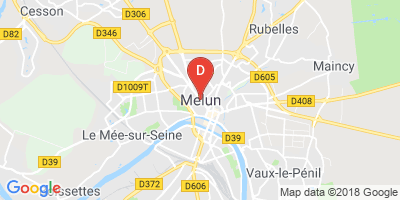
Private Guided Tour of the Historic Center of Melun
.jpg "Melun")
.jpg "Melun")
.jpg "Melun")
.jpg "Melun")
.jpg "Melun")
.jpg "Melun")
.jpg "Melun")
Crédit photos de Aurélie Zeyssolff, Marie-Christine Juban-Nourine et Isabelle Verrey
Between the Seine River, historic islands and medieval remains, Melun reveals a rich and
often overlooked history just outside Paris.
Nestled within a bend of the Seine and organized around a central island much like Paris
itself, this former royal city was for centuries one of the strategic centers of the French
kingdom. Historic capital of the Brie region, major medieval river port and favored residence
of the early Capetian kings, Melun still preserves traces of its prestigious past.
This private guided tour invites you to discover the hidden side of the city through its
monuments, historic streets, riverbanks and the fascinating stories that shaped its identity.
Melun, royal residence of the early Capetians
During the Middle Ages, Melun occupied a key strategic position between Paris,
Champagne, Burgundy and the Loire Valley.
The former royal château — now disappeared — once stood at the tip of Saint-Étienne
Island on the site of an ancient Gallo-Roman fortress. For centuries, the Capetian kings
regularly stayed in Melun, leading some historians to nickname the city the “Versailles of the
early Capetians.”
From the fortifications built under Philip Augustus to the surviving medieval walls, the city still
bears witness to its important military and political role.
Melun is also remembered for the famous siege of 1420 during the Hundred Years’ War. The
loyalty of its inhabitants to the French crown inspired the city’s motto:
“Fida muris usque ad mures” — “Faithful to its walls, even to the point of eating rats.”
A few years later, Joan of Arc crossed the bridges of Melun on her way to Compiègne.
A city of commerce, humanism and Renaissance culture
Between the Brie and Gâtinais regions, Melun became an important medieval grain port
supplying Paris. Numerous mills installed along the Seine and the Almont River contributed
to the city’s prosperity.
Rue Saint-Aspais, once aligned with the Roman Cardo Maximus, remains one of the historic
arteries of the city.
During the Renaissance, King Francis I frequently passed through Melun on his journeys to
Fontainebleau. He was said to stop there to drink from the Saint-Liesne fountain, believed to
possess healing properties.
The tour also introduces several important intellectual and artistic figures connected to the
city:
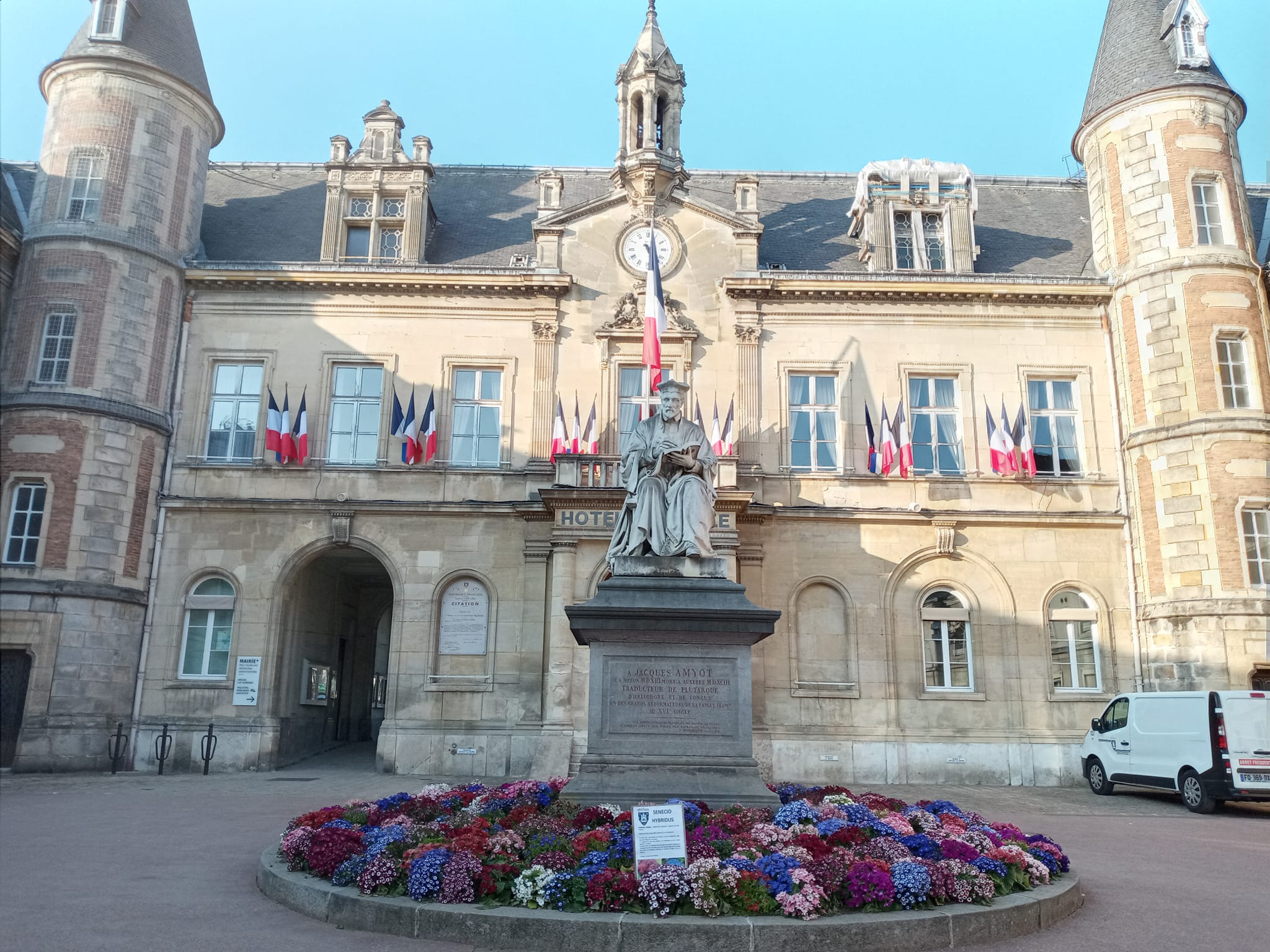
- Jacques Amyot, humanist scholar and tutor to the children of Catherine de’ Medici,
- Héloïse and Abélard through the monumental work by Michel Lévy,
- Étienne Chevalier and the famous Melun Diptych painted by Jean Fouquet.
One of the highlights of the visit is Saint-Aspais Church, a remarkable example of
Flamboyant Gothic architecture renowned for its intricate stonework and colorful
stained-glass windows.
A walk through heritage and French art de vivre
This private guided tour includes:
- Melun’s medieval remains,
- the riverside towpaths along the Seine,
- Gothic and Renaissance architecture,
- traces of the city’s historic trades and commercial life,
- royal, religious and humanist history.
As the walk unfolds through historic districts and narrow streets, historical anecdotes,
artworks and urban landscapes reveal Melun from a new perspective.
A tour accessible to everyone
- Accessible for strollers and visitors with reduced mobility
- Free parking nearby
- Restaurants, bookstores and shops available on site
Practical information
- Private tours upon reservation
- Duration: 1.5 to 2 hours
- Tours available in French, English, Russian and Armenian
Meeting point:
Place Saint-Jean
77000 Melun
Train access:
Transilien Line R and RER D from Paris
Bus lines: 01, 18, 47, C, D, E, G, N, S12
reservation@visite-guidee.com
+33 (0)6 42 33 77 10